
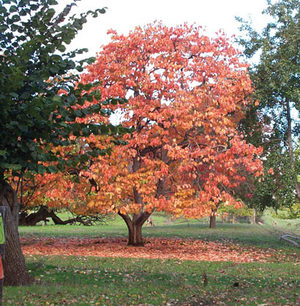
American Persimmon(Diospyros virginiana)
N/S/PS Native fruit tree, reaching 30'-40', bears orange fruits that are eaten fresh, in james, pies, preserves and loved by all birds and wildlife. Fragrant white flowers are an excellent enectar source for bees. Any well drained soil. Taproots
Bare root 4"-8" 3/$7
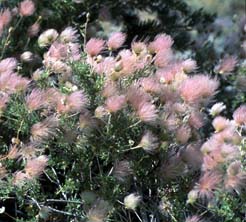
Apache Plume (Fallugia paradoxa)
N/S 4' x 4' shrub native to western deserts, tolerant of a wide variety of soil; has small white flowers but most attractive when covered with pink silky seed pods that give the plant its name.
2.5” pot $5

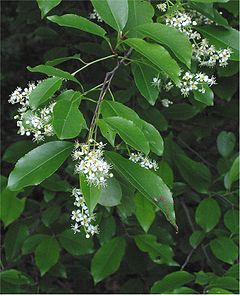
Black Cherry (Prunus serotina)
N/S/PS Adaptable native cherry tree that can reach 60'; white flowers ins pring, for sun or light shade. A superlative wildlife plant; flowers attract bees, many types of butterflies; fruits attract many birds and mammals.
Bare root 1'-2' 3/$12
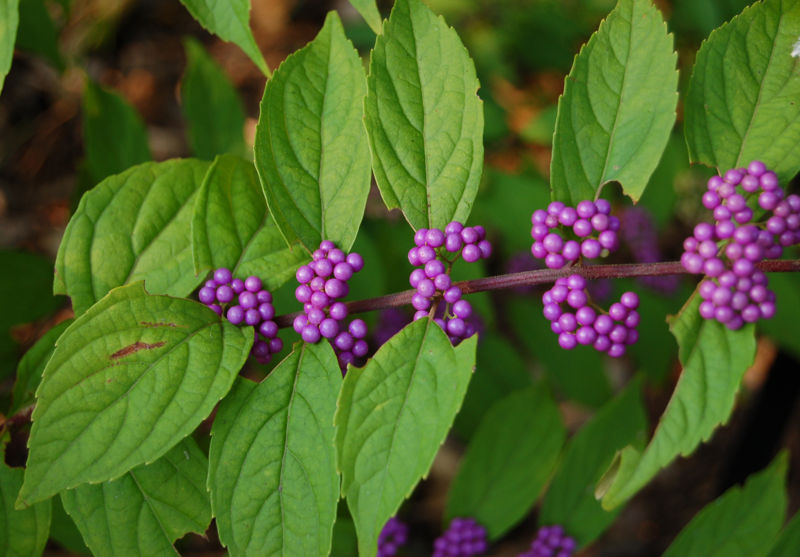
Black Gum (Nyssa sylvatica )
N/S Also called tupelo, native deciduous tree grow slowly to 50', pyrimidal form. Excelelnt specimen, lawn or street tree; showy fall color can be yellow, red or purple. Deer resistant.3” pot, 6"-8" $7
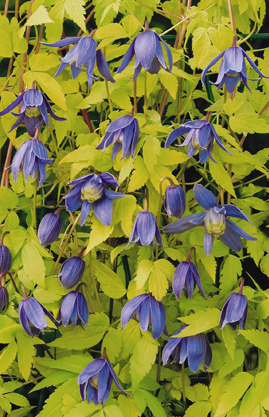
Clematis 'Stolwijk Gold'
(Clematis alpina )
S/PS Flowering vine 6'-8' with 2" purple bell shaped flowers that stand out against bright chartreuse gold foliage.
4” pot $11
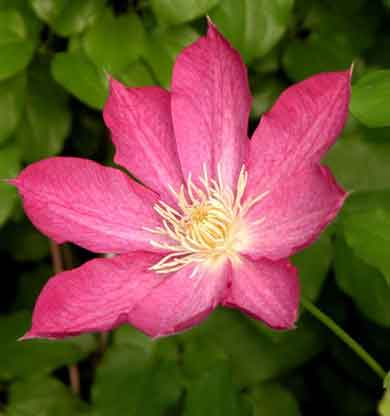
Dwarf Fothergilla
(Fothergilla gardenii)
N/S/PS Great small native shrub, 3' x 3', with fragrant white bottlebrush flowers in spring, excellent fall color. Deer resistant.
2.5” pot $6

Downy Serviceberry
(Amelanchier canadensis)
N/S/PS Very early blooming native shrub with showy white flowers mid-March, 10'-20' at maturity. Edible reddish black berries can be used in pies, jams etc (unless the birds get there first)
Bare root 1'-2' 3/$8
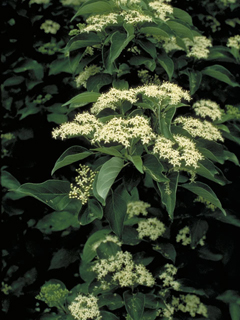
Gray Dogwood (Cornus racemosa )
N/S/PS Slow growing native shrub reaching 6'-10', white flowers in spring, purple-red foliage and white berries (loved by birds) in fall..
Bare root 1'-2' 3/$7
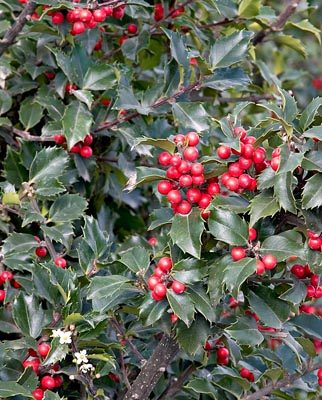
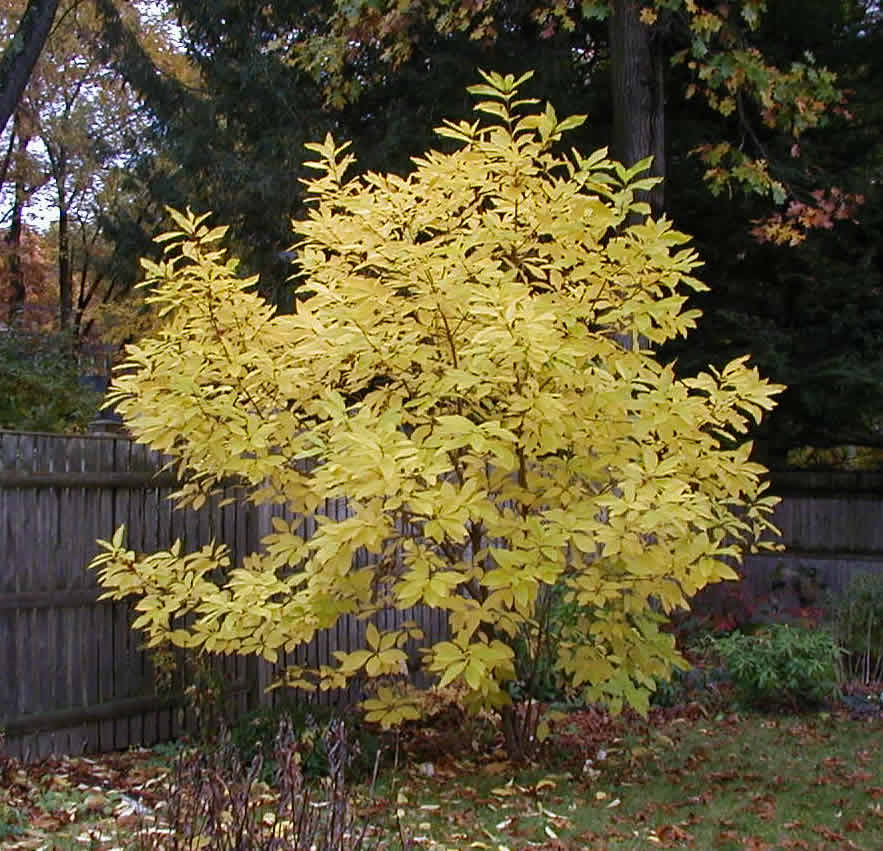

Blue Girl/Blue Boy Holly (Ilex meserveae )
S Cold hardy evergreen holly, with glossy dark blue-green spiny leaves, reaching 8'-10'; bright red berries on females. You will receive 2 Blue Girl and 1 Blue Boy (for pollination).
.
3” pots 3/$12
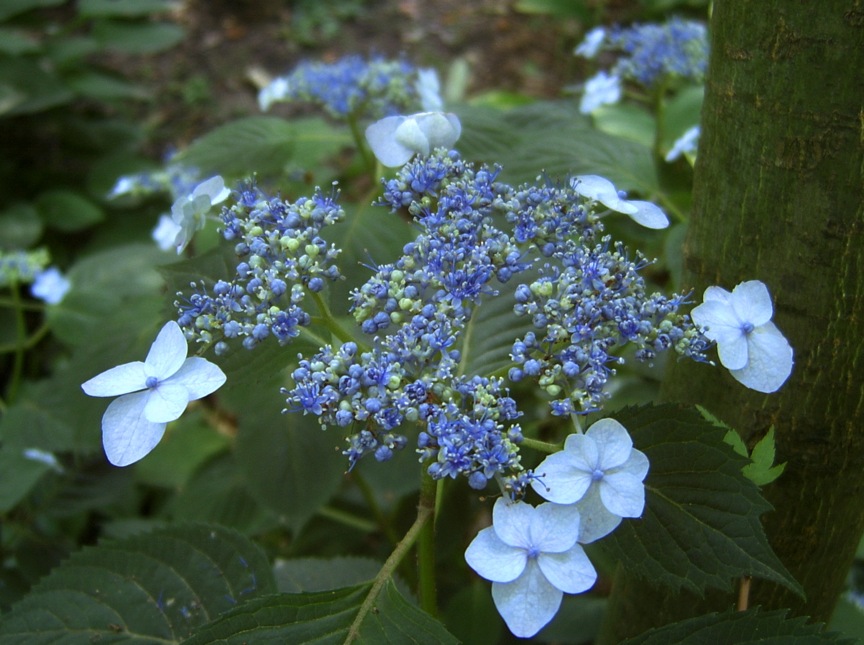
Hydrangea 'Blue Billow' (H. serrata )
S/PS A blue lacecap variety, slowly reaching 3' tall, 4' wide, for sun or light shade. Very hardy, no winter dieback.
3" pot $6
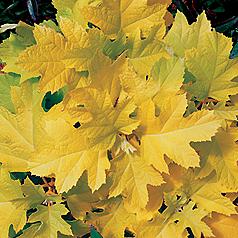
Oak Leaved Hydrangea 'Little Honey' (Hydrangea quercifolia )
N/S/PS New, dwarf introduction of our native oak leaved hydrangea with golden yellow foliage, reaching only 4' x 4', white flowers, red fall color. Best in light shade.
.
3" pot $9
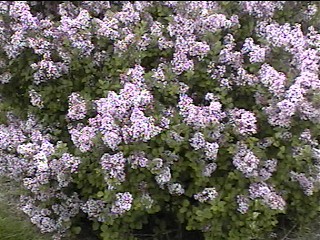
Dwarf Lilac 'Paliban' (Syringa meyeri)
S Compact spreading variety 6' tall, rosy lavender flowers, full sun, great for smaller spaces. Deer resistant.
2.5" pot $5
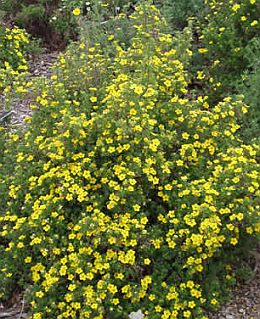
Potentilla 'Gold Drop' (Potentilla fruticosa )
N/S/PS Low growing shrub (3' x 3') with bright yellow flowers nearly all season (June - August)
3" pot $4
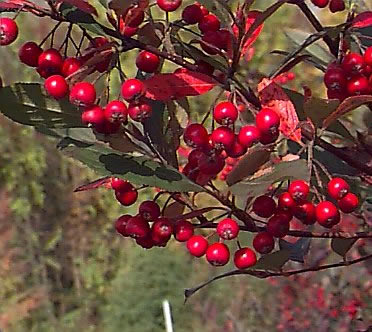
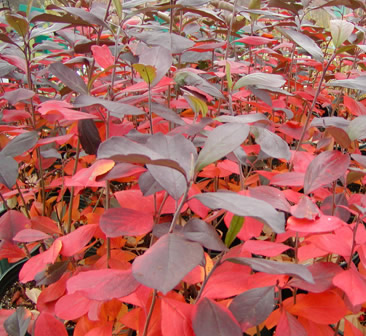
Red Chokeberry (Aronia arbutifolia )
N/S/PS Medium sized native shrub (6'-8') with white flowers and long lasting red berries; fall color is exceptional and makes a great substitute for the now-banned burning bush.3"pot, 12"-15" $6
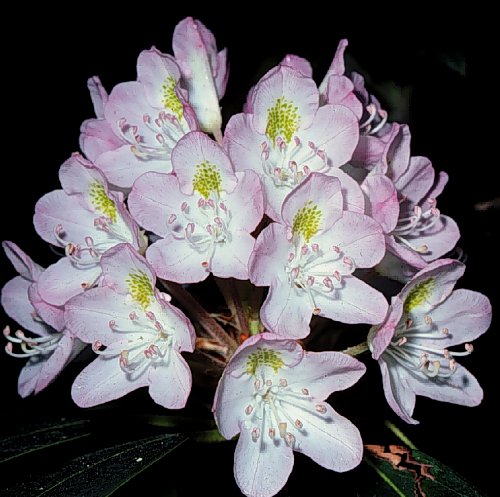
Rhododendron, Rosebay(R. maximum )
N/S/PS/Sh Mature height 6'-10', spreading 5'-8'. Lustrous dark green leaves and pink flowers, sun to shade. Ver hardy. Mulch lightly.
6"-12" rooted cutting $7
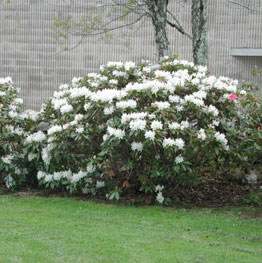
Rhododendron, White (R. catawbiense Album )
N/S/PS Large trusses of flowers, buds flushed lilac opening to pure white. Leaves are dark green, 6'-8' tall and wide. Prune after flowering if necessary. Hardy and vigorous.
6"-12" rooted cutting $7

Scarlet Elder
(Sambucus pubens)
N/S/PS Large (12') rapidly growing native shrub with big clusters of white flowers, followed by ornamental red berries. Fruit is NOT edible (except by birds). Withstands hard pruning for shape.
Bare root 1'-3' 3/$9
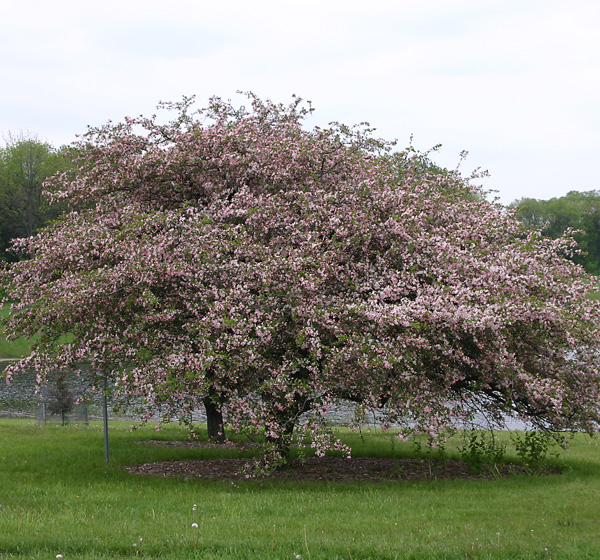
Sweet Crabapple (Malus coronaria )
N/S Underused native crabapple to 25', very fragrant double pale pink flowers in spring, average to moist soil. Attracts bees, birds and wildlife..
3" pot, 6"-8" $7
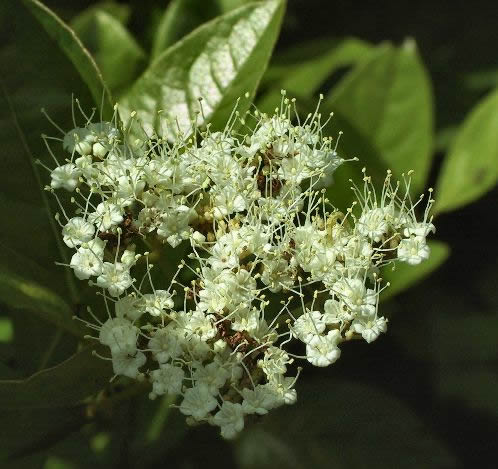
Viburnum 'Winterthur' (V. nudum )
N/S/PS Compact native shrub 6' x 6', fragrant white flower clusters in late spring, berries that start pink and turn blue-black. Sometimes called possumhaw.
.
2.5" pot $5
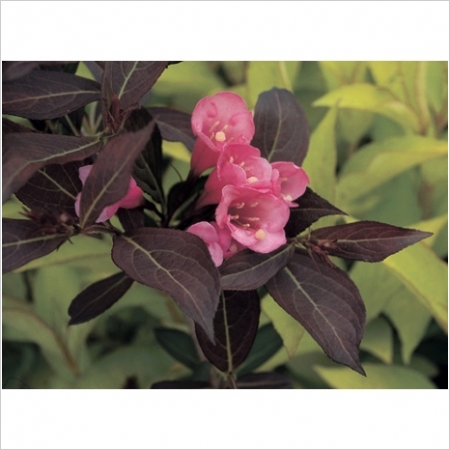
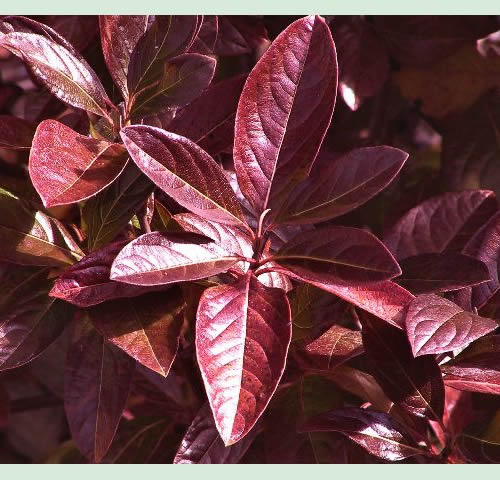
S Elegant shrub 4' tall with dark burgundy foliage and pink trumpet shaped flowers. Deer resistant.
2.5" pot $7

S/PS Mounding shrub 5'-10' tall, showy pink shoots give way to white and green variegated leaves. Tolerant of substantial pruning for shape, likes moist soil..
3" pot, 1’-2’ $5